Best Tiny Home Designs | Small Space, Big Living Idea
Published: 19 Apr 2025
1. Introduction
Tiny homes have recently gained massive adoption because people now pursue sustainable minimalistic lifestyles. These compact houses serve to solve practical needs of people who want budget-friendly mobile properties without excess possessions. Modern design approaches make tiny homes achieve spaciousness as well as functionality with stylish interiors.
2. Why Tiny Homes Are the Future of Living
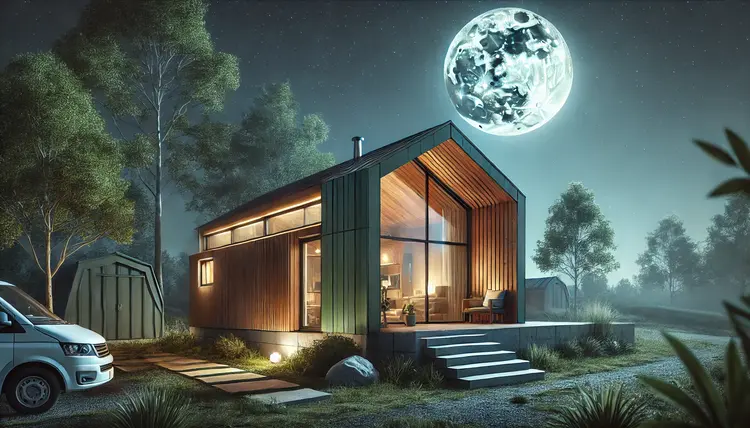
People move to tiny houses because these residences free their finances while protecting the environment and providing adaptable living choices. The growing density of cities together with rising housing expenses make small homes an intelligent solution for property ownership.
3. Key Benefits of Tiny Homes
Financial Value
Small houses give homeowners financial value compared to conventional buildings, primarily due to lower costs. The affordable nature of tiny homes enables homeowners to distribute more money to mortgage payments and also maintain lower maintenance costs.
Energy Efficiency
The energy-efficient systems in these homes minimize resource usage together with waste output, resulting in decreased environmental impacts.
Design Element | Description | Benefits |
Compact Kitchen | A compact kitchen that includes essential appliances, with clever storage solutions like pull-out pantry shelves and modular designs. | Maximizes efficiency in a small space, ensuring that every inch is usable and practical. |
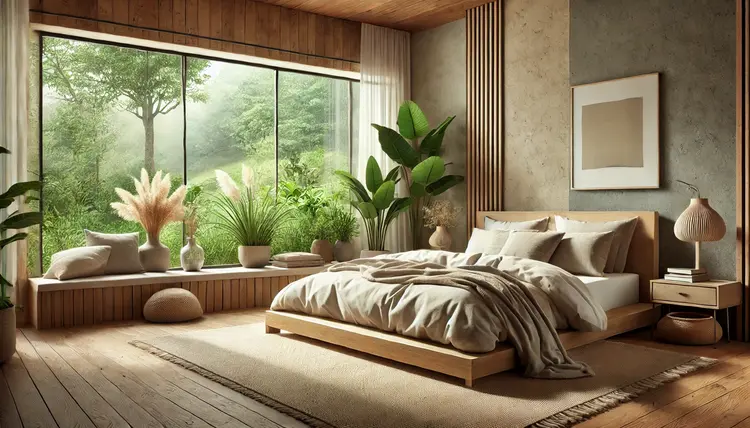
Minimalist Interior | A minimalist interior design that uses neutral colors, simple furnishings, and streamlined decor to keep the space uncluttered. | Promotes a calm, peaceful living environment that reduces visual clutter and increases comfort. |
Natural Materials | Incorporating natural materials such as wood, stone, and bamboo to create a warm, eco-friendly atmosphere. | Supports sustainability by using eco-friendly materials, while also adding warmth and texture to the home. |
Downsizing Belongings
The need to downsize belongings becomes essential in small homes because they push people toward choosing just the necessary items.
Mobility
Moving convenience comes from tiny homes which include wheels as part of their construction. The personalized home environment accompanies residents throughout their trips.
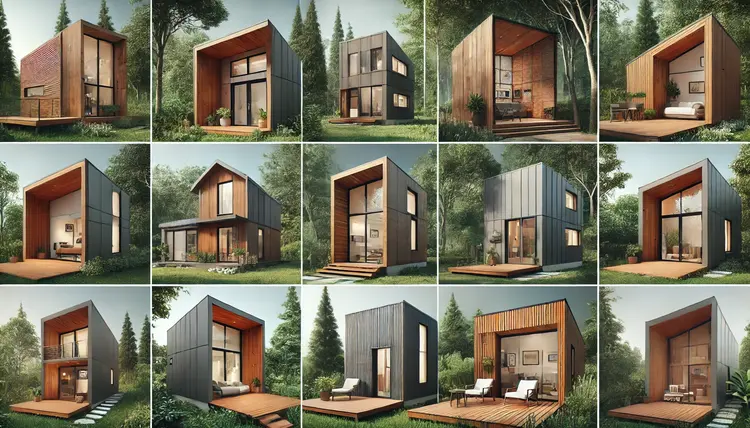
4. Best Tiny Home Designs for Maximizing Small Spaces
The arrangement of walls along with new architectural techniques enhances the spaciousness of small houses. The designs produce a combination of useful elements that merge practicality with comfort and fashionable design features.
1. Open-Concept Tiny Homes
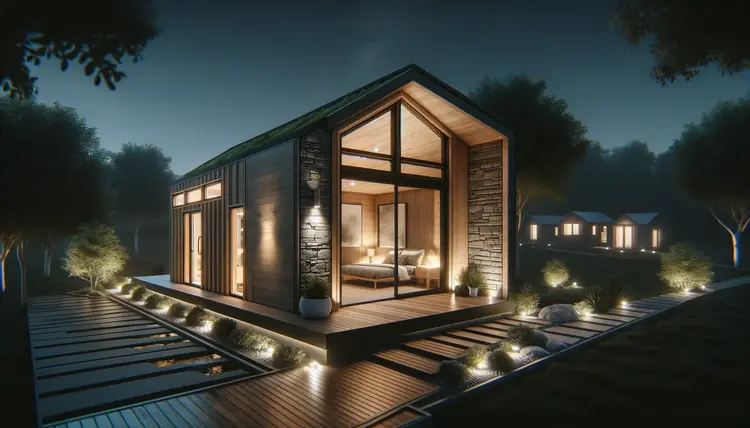
Getting rid of unwanted walls through an open-concept design provides an unhindered space. The design concept expands the room size because it enables natural light to move freely throughout the space.
Lofts located above floor level give extra space to sleeping areas in the structure.
Strategic folding furniture, such as Murphy beds alongside tables, provides homeowners with additional functionality.
The extended length of windows between floor and ceiling produces an optical effect that enlarges the interior space.
2. Tiny Homes with Loft Bedrooms
A loft bedroom provides a convenient way for people to create distinct areas between their bed and their living essentials. The majority of tiny homes contain lofts, which allow comfortable placement of beds.
Storage space built beneath stairs maintains proper organization in the home.
The loft area features skylights, which enable good air movement and natural sunlight to enter through them.
Low-height lofts enable quaint sleeping spaces.
3. Multi-Functional Furniture for Small Spaces
Various pieces of furniture designed for smaller spaces increase workflow effectiveness in compact units. All furniture items need to perform various functions simultaneously.
The sofa serves as a bedding solution that turns into a sleeping area at night.
When needed, you can open folding dining tables to expand their function.
These storage pieces provide seating spaces together with concealed storage compartments.
4. Container Tiny Homes
Modern tiny houses get their foundation by reconstructing shipping containers into strong, sustainable dwellings with fashionable designs. The buildings exist at affordable prices while providing benefits to the environment.
The built design presents strong resistance to weather elements to increase its longevity.
Residents can achieve a modular living space by stacking several containers together.
Sliding doors combined with glass windows bring abundant light into the rooms.
5. Scandinavian-Style Minimalist Homes
A Scandinavian design approach makes small houses look elegant and open. The designs focus solely on functionality through their use of neutral tones.
The combination of light-colored walls with wood flooring produces illuminating spaces.
Maximum daylight reaches the interior because of extensive window panes.
The restrained interior design maintains an untidy appearance throughout the area.
6. Off-Grid Tiny Homes
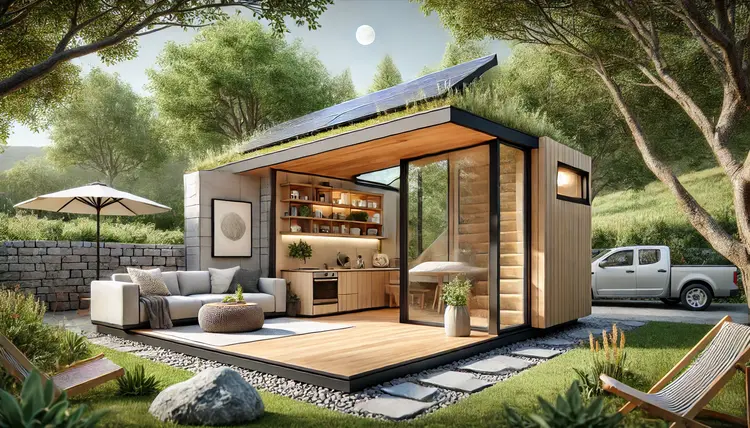
Those seeking autonomy through energy independence should choose tiny off-grid homes which operate independently of public utilities. Each house incorporates renewable energy systems together with effective water systems.
Solar panels generate electricity.
Installing rainwater collection systems allows you to access a clean water supply.
Composting toilets reduce waste.
Design Element | Description | Benefits |
Open-Concept Living | An open-concept living area that combines the kitchen, living, and dining spaces, maximizing functionality in a small footprint. | Maximizes the use of available space, creating a sense of openness and flow. |
Space-Saving Furniture | Utilizing multi-functional furniture such as fold-out tables, hidden storage, and convertible seating to save space. | Increases functionality without compromising on comfort or aesthetics. |
Lofted Sleeping Area | Designing a lofted sleeping area to free up floor space for other functional areas like a lounge or workspace. | Creates more usable floor space by using vertical space for sleeping, allowing for greater flexibility in living areas. |
5. Strategies for Enhancing Small-Sized Dwelling Spaces
Smart choices in design will create bigger visual space within restricted areas of a tiny home.
1. Light Colors and Reflective Materials
Light colors together with reflective materials should be utilized for better appearance and space perception.
Openness appears simulated through the application of pastels, beige and white light colors. Reflection from gloss surfaces together with the addition of mirrors helps enlarge rooms visually.
2. Maximize Vertical Space
The combination of vertical shelves, wall mounts and hanging organizer systems stops clutter from forming. The method adopts vertical dimension over horizontal flooring area.
3. Large Home Windows and Glass Sliding Doors
Large windows together with glass sliding doors should be installed.
As natural light enters the space, it produces an expanded visual effect. Room-high windows that open as doors eliminate the partition between interior rooms and exterior spaces.
4. Keep the Layout Simple
The layout needs to remain efficient with no barriers, which enables smooth flow. A minimalistic mindset allows every room space to remain useful while having no unneeded barriers.
5. Smart Storage Solutions
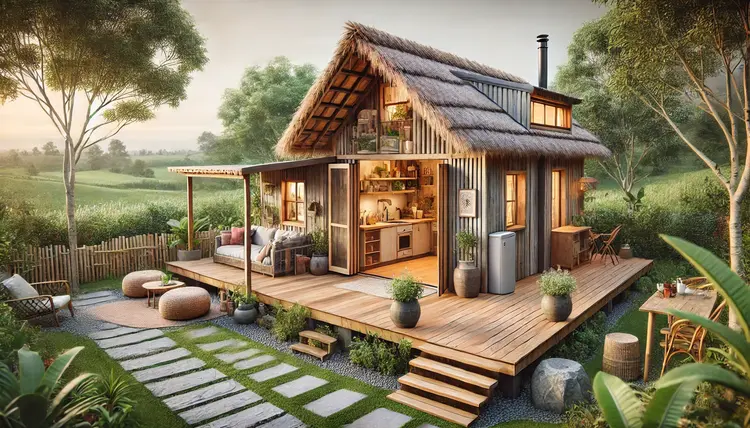
The combination of furniture drawers and shelf storage solutions attached to walls and wall-mounted furniture maintains domestic tidiness and order.
6. Tiny Home Living: Challenges & Solutions
Tiny houses give many useful benefits, yet these benefits come alongside certain hurdles to overcome.
1. Limited Storage Space
If you own a small-sized home, you must seek out innovative methods to store items. You can find additional storage space through vertical cabinets, multipurpose furniture and underfloor compartments.
2. Privacy Concerns
Due to their compact size, the quantity of personal space inside a tiny home tends to be limited. A strategic placement of partitions together with curtains will create personal space while using minimal floor area.
3. Zoning & Legal Regulations
The regulations regarding tiny homes differ strongly from area to area. Saving both time and money through research about building codes and the establishment of tiny home neighborhoods ensures legal compliance.
4. Temperature Control
A combination of proper insulation, together with energy-efficient windows, along with small heating or cooling technologies allows year-round comfort inside homes.
FAQs
Are tiny homes cheaper than common properties?
Tiny homes have substantially lower prices than what traditional houses would cost. The running expenses, including building price, upkeep expenses and resource consumption fees, stay at lower levels for these homes.
Can residents obtain mortgage loans for tiny homes under 30 feet?
Options for alternative financing include personal loans together with RV loans since traditional mortgages are not suitable.
Do tiny homes retain value?
If well-maintained, tiny homes retain value. Custom homes built small avoid depreciation issues and increase in value due to their premium materials
Which locations let people park their tiny homes legally?
The regulations for tiny home placement rely on community-specific zoning regulations. Parts of the United States permit either tiny home neighborhoods or they allow these homes as accessory dwelling units (ADUs).
Are tiny homes suitable for families?
With proper rearrangement of space, families find tiny homes to be suitable residential units. The combination of lofts, bunk beds and multifunctional furniture makes it possible to house multiple people.
Are tiny homes energy-efficient?
The environmental footprint of many tiny houses becomes reduced through their installation of solar panels, their implementation of rainwater collection systems and composting toilet technology.
What should be the proper dimensions of a tiny residential space?
Tiny homes exist between 100 and 400 square feet, yet their perfect size should match individual life requirements and space demands.
What are the best strategies to enlarge the perception of my small home?
A tiny home achieves spatial expansion through the combination of light-colored finishes, big windows, intelligent storage methods and basic furnishing.
Final Thoughts on Tiny Home Designs
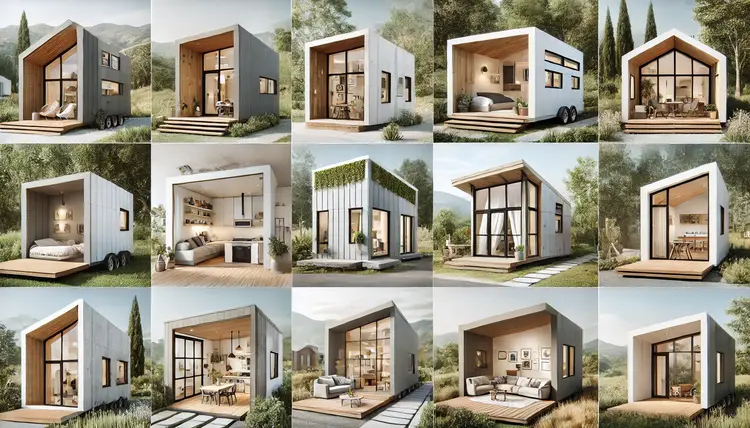
The compact dwelling solution brings three benefits together: its affordable pricing, environmental compatibility and its streamlined way of living. Through space-saving design capabilities along with efficient utilization of area, small properties become both comfortable and fashionable spaces. People who choose tiny living have different options to consider, including mobile homes, container houses and off-grid cabins among others.
The correct selection of home layouts, together with proper furniture pieces and storage methods, enables every person to experience spaciousness in their tiny dwelling. Small homes are producing major changes within the housing market because they show that limited living areas provide distinctive residential value.