Tiny Home Designs & Floor Plans for Smart Living 2025
Published: 9 Jul 2025
Introduction
In 2025, tiny houses keep on changing how we think about home. Because land prices keep climbing and more people want greener lives, these pint-sized pads show us how to pack comfort into a tiny footprint. Each one is built for those who love clean living, smart design and a lighter eco-load but still expect style and good function. In this post, we’ll walk you through the coolest tiny-house layouts for 2025 and share tricks for using every inch, boosting usability and adding easy smart tech.
Why Choose a Tiny Home for Smart Living?
As we head deeper into 2025, tiny houses have moved past fad status and into serious, wallet-friendly living. With lower costs, less upkeep and a calmer pace, they are proving to be a wise option for anyone who wants fewer headaches and more freedom.
Sustainability
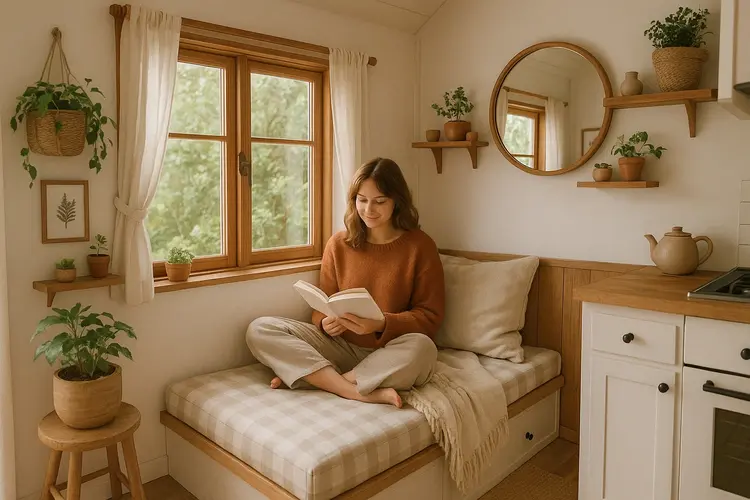
Because they sit on a small patch of land, tiny homes leave a tiny environmental footprint. Builders need far less lumber and steel and owners burn less power and water. That built-in thrift is why tiny living keeps popping up on lists of the greenest housing choices.
Energy Efficiency
Most tiny builds come with Energy Star appliances, rooftop solar kits and thick insulation, so heating, cooling and lights sip power instead of guzzling it.
People who live in a tiny house quickly learn to cut out extras, so they throw away a lot less and move toward a zero-waste lifestyle.
The price tag of a tiny home is another big reason so many people want one. Buying a regular house costs a small fortune, but a tiny house gives buyers a way to own land and shelter without going broke.
- Because the square footage is so small, utility bills stay low and big repairs seldom pop up, which makes day-to-day upkeep friendlier on the wallet.
- Building a tiny house also costs a lot less than putting up a full-sized home. Shorter builds, cheaper materials and fewer labor hours let many would-be owners give it a go.
- Every square inch in a tiny house has a job, so tiny owners never waste space. Whether alone or sharing with a partner, a smart layout keeps moving around easy and cozy.
- Built-in shelves, drop-leaf tables and chairs that fold away help bump drafty corners into useful spots.
- Many tiny homes skip the living room wall altogether, tacking bedrooms or kitchens right into the main room so fresh air and light can flood everywhere.
Flexibility
Tiny houses offer plenty of wiggle room when it comes to moving around. Many owners build their homes on trailers, so they can hitch up and head to a new spot without renting a large truck or paying for a cross-city move.
Portable Design
A tiny house on wheels opens the door to a semi-nomadic life, so you can rotate through different campgrounds, festivals or seasonal work locations.
Adaptable Layouts
Builders can tweak every shelf, fold-down bed and storage nook to fit your needs, whether you’re flying solo, sharing space with a partner or welcoming the occasional guest.
Key Features to Consider in Tiny Home Designs for 2025
Planning a tiny home for 2025? Pair sleek style with solid function by including these forward-thinking features. Read on for top design ideas that count.
Maximized Natural Light
A flood of daylight can turn even the smallest room into a cheerful retreat. Think big windows, handy skylights and sliding glass doors that brighten the space and give a glimpse of the surrounding landscape.
Large Windows
Place expansive panes in living and cooking zones to pull in sun and help the entire house feel larger.
Bring in the Light
Adding skylights to the roof lets in bright, natural daylight, making the bedroom and bathroom feel airier.
Clever Storage Solutions
Space runs out quickly in a tiny home, so smart storage ideas give every item its own spot and free up room to move.
Built-In Storage
Fit shelves, drawers and small closets right into walls or tuck them under beds and benches.
Foldable Furniture
Fold-out beds, Murphy desks and slim tables can be tucked away, leaving open space when you don’t need them.
Green Building Materials
People care more about the planet today, so using green materials during building cuts waste and still looks good.
Recycled Supplies
Pick reclaimed wood, metal and upcycled accents to give your interior character while saving resources.
Non-Toxic Finishes
Choose low-VOC paints and sealers that keep air healthy instead of filling rooms with harmful fumes.
Smart Home Gear
Affordable sensors, cameras and apps now fit even small budgets, so tiny homes in 2025 run smoother with built-in tech.
Smart Thermostats
These gadgets learn your routine, adjust heat or AC on their own and trim energy bills month after month.
Automated Lighting
Install motion sensors and smart bulbs so lights only run when needed.
Outdoor Living Spaces
Tiny-home dwellers lean hard on outdoor spaces because their inside rooms are so few. A cozy deck, small patio or airy rooftop nook can make a huge difference.
Rooftop Terraces
Set up pots, seats and maybe a grill up top, turning the roof into a breezy garden.
Decks and Patios
Even a pocket-size boardwalk lets friends share a meal or you sip coffee outdoors.
Popular Tiny Home Designs & Floor Plans for 2025
Rounding out 2025, builders feature a range of compact blueprints that fit every style and budget.
The Tiny Cottage
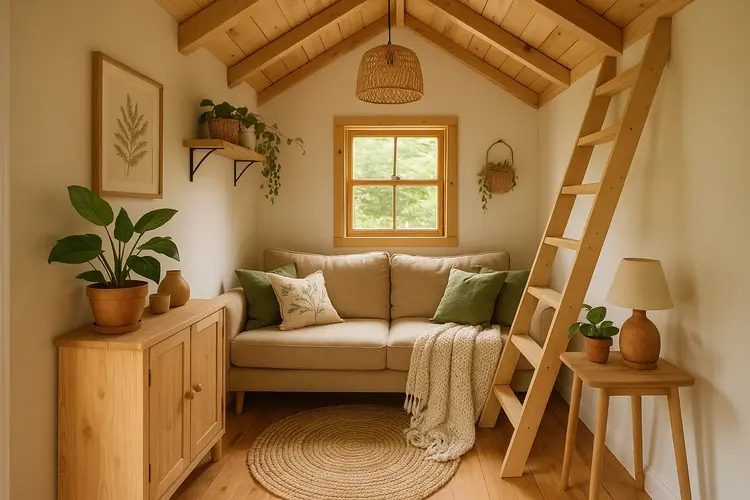
The Tiny Cottage feels homey and slightly vintage while saving every square inch. Its open lounge slides straight into a mini kitchen, so anyone who treasures charm and order will love it.
Open Floor Plan
Living room, kitchen and dining zones share one room, tricking the eye into feeling plenty of space.
Lofted Bedroom
A raised sleeping nook above the lounge holds a mattress and bins, keeping the main floor clutter-free.
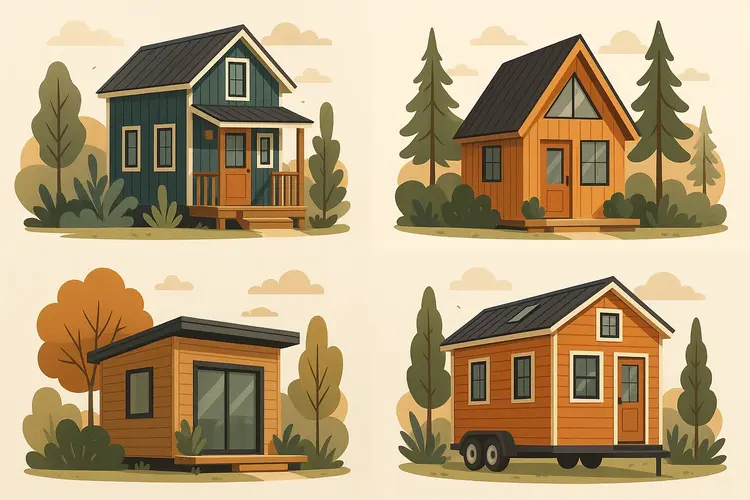
The Mobile Tiny Home
For folks who like to move around, a tiny house on wheels lets you go wherever the mood strikes.
Compact Design
A mobile tiny house packs a sleeping nook, bathroom and mini kitchen into one easy-to-tow shell.
Outdoor Features
Slide-out decks and small patios give you room to relax once the wheels stop turning.
The Modern Minimalist
The Modern Minimalist style trades excess for clean lines and stuff that actually works.
Neutral Color Palette
Soft whites, cool grays and deep blacks wrap every room in a calm coat that never feels dated.
Open Spaces
Few walls split the kitchen from the lounge, so light and conversation flow freely.
The Tiny Farmhouse
The Tiny Farmhouse mixes old-country charm with fresh tech. A big open kitchen spills into the living room, while a private bedroom waits just up the small stair.
Charming Porch
Most tiny farmhouses have a small front porch where residents can kick back with a drink and watch the world pass by.
Sustainable Materials
Rough-hewn beams and repurposed pieces give the house its country look while staying easy on the planet.
The Sustainable Eco Home
This model plugs into the sun, catches raindrops and uses low-impact building products.
Passive-Solar Design
Windows and overhangs shape the layout, filling rooms with free light and warmth.
Rainwater Harvesting System
Gutters feed a tank that waters the garden or supplies toilets, cutting the need for city water.
How to Maximize Space in a Tiny Home
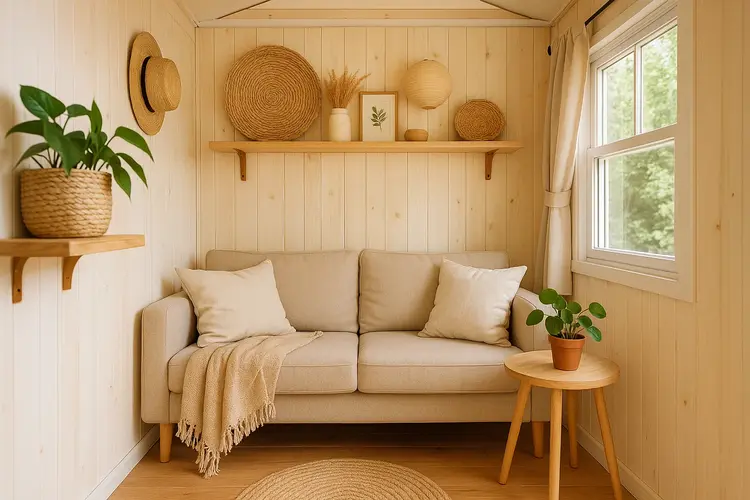
Living small means squeezing every square foot until the home still works and feels cozy. Try these tips:
Use Multi-Functional Furniture
Pick pieces that do double duty like a folding dining table, sofa bed or flip-up wall desk.
Build Vertical Storage
Go up instead of out, adding shelves, hooks or cabinets above head height.
Design an Open Floor Plan
Remove extra walls for uncluttered flow and use furniture and lighting to define zones.
Opt for Light Colors
Soft shades like white, cream or pale blue bounce natural light around.
Use Sliding Doors
Sliding doors free up square footage by not swinging open into the room.
FAQs
What is the cost of building a tiny home in 2025?
$20,000 to $100,000, depending on design, size and material.
How do I make a tiny home energy-efficient?
Use solar panels, high-star appliances, thick insulation and a smart thermostat.
Can tiny homes be customized?
Absolutely. You pick the layout, materials and green extras to match your style.
Exactly how big can a tiny house get?
Most stay under 400 square feet, but local rules may vary.
Conclusion
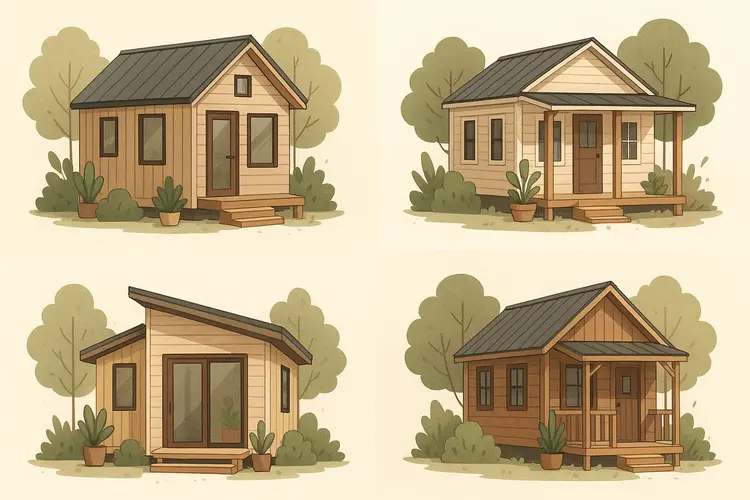
Tiny houses are shaping smart living in 2025, offering a green, wallet-friendly and good-looking way to scale down. With renewable materials, space-saving furniture and neat storage, these dwellings turn every square foot into something useful. Whether you want a wheeled unit, a sleek minimalist retreat or an off-grid eco cabin, the variety fits just about any dream. Jump into the tiny-house movement and enjoy the freedom, clarity and low-maintenance ease of living small.