Garden Room Designs: Stylish & Functional Outdoor Spaces
Published: 6 May 2025
Introduction
A garden room extends beyond home extension and represents its own independent space that integrates appearance with practical benefits. Outdoor living becomes more convenient through well-designed garden rooms that simultaneously increase your property value for relaxation and work needs and social activities. Planning the construction of your ideal garden room depends on your selection of materials together with design options and multiple available design styles. This document provides all necessary information to help you develop an area according to your specific requirements.
1. Understanding Garden Room Designs
The outdoor architectural features called garden rooms create adaptable lateral spaces apart from the home footprint. Garden rooms exist as independent or semi-linked architectural features which customers can modify based on their intended use. The structures offer flexibility to serve different needs such as office space, gym space, studio space and relaxation space depending on what users desire.
Types of Garden Rooms
- The detached garden room design consists of buildings that exist separately from the main property structure.
- Garden rooms which attach to the house enable direct entry from the interior spaces.
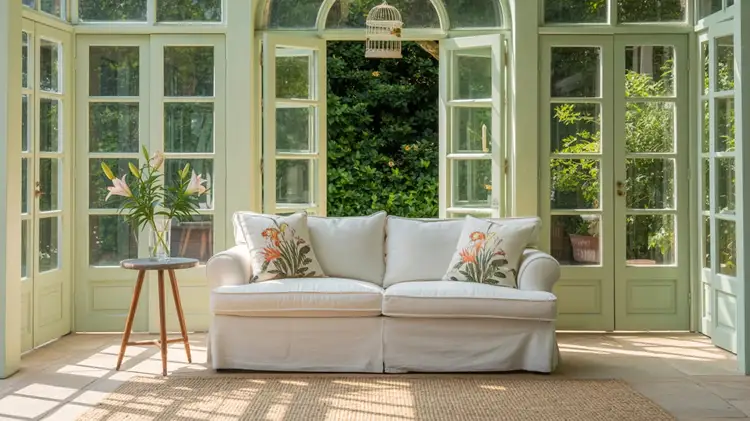
- The glass panes of glass garden rooms extend into large sections for optimal sun penetration.
- Fast installation occurs with pre-built Modular Garden Rooms that are designed in advance.
2. Benefits of a Garden Room
Garden rooms with proper planning bring various benefits which establish them as important additions to real estate properties.
1. Additional Living Space
Garden rooms add valuable home space yet involve zero cost-related expenses compared to house transformation projects. Garden rooms provide versatile functionality since they can be designed for workstations while serving as entertainment areas or additional spaces for visiting guests.
Design Idea | Description | Functionality Tip |
Glass Garden Room | A room with full or partial glass walls for sunlight and garden views. | Use double-glazed glass for insulation. |
Wooden Cabin Style | Rustic wooden garden house that blends with nature, ideal for relaxation. | Add cozy furniture and a small heater for year-round use. |
Greenhouse Office | A hybrid space combining plant nurturing with a working desk setup. | Ensure proper ventilation and daylight for plants and work. |
Pergola Lounge Area | Open-air pergola with seating and curtains for stylish lounging. | Use weather-resistant materials and outdoor lighting. |
2. Increases Property Value
Lead generation value increases when house buyers find garden rooms installed into properties. The usage life of installations increases because of their high-quality construction combined with sturdy materials.
3. Enhanced Connection with Nature
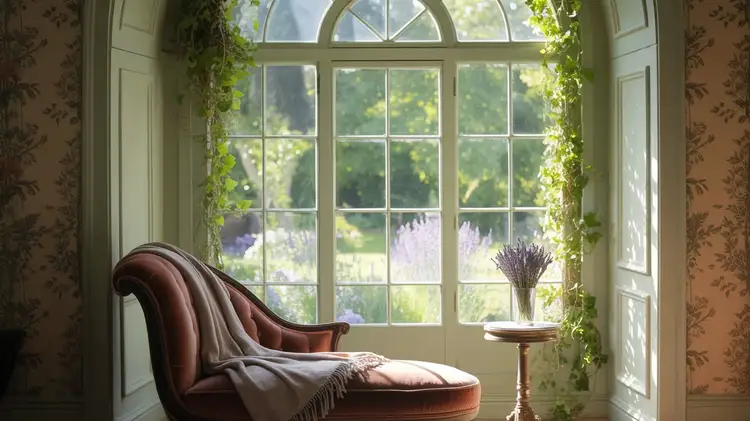
A surrounding environment with green plants contributes positively to people’s health. The garden room combines access to natural elements together with indoor room convenience.
4. Year-Round Usability
Garden rooms can be used throughout the year because their insulated and weatherproof construction allows daily use. The combination of adequate heating and cooling systems allows garden rooms to operate efficiently throughout twelve months.
3. Planning Your Garden Room
Planning for a garden room carefully assists in producing a smooth building process.
1. Choosing the Right Location
A suitable position for your garden room should have great access to sunlight.
Installation should be possible from anywhere in the main building.
Consider privacy and noise levels.
2. Determining Purpose
- For Work: A garden office with minimal distractions.
- For Leisure: A cozy lounge with comfortable seating.
- For Fitness: A gym with proper ventilation.
3. Budgeting and Costs
Surviving prices are affected by materials choice, the dimensions of the room and included features. A defined financial plan enables users to find appropriate choices.
4. Design Styles for Garden Rooms
Each design style exists to meet personal taste preferences in different ways.
1. Modern Minimalist
- Clean lines and neutral colors.
- Floor-to-ceiling glass panels.
- Simple yet elegant furniture.
2. Rustic Cottage Style
- Wooden finishes and warm tones.
- Vintage-style furniture.
- Cozy lighting with a natural feel.
Design Idea | Description | Functionality Tip |
Zen Garden Room | Minimalist design with stones, bamboo, and calming aesthetics for meditation. | Include water features and soft lighting for tranquility. |
Multi-purpose Garden Pod | Compact modular unit for work, play, or hobbies in the garden. | Add foldable furniture for versatility. |
Art Studio Retreat | Creative space with skylights and storage for art supplies. | Ensure natural light and proper ventilation. |
Outdoor Dining Pavilion | Covered dining space with rustic furniture and ambient lighting. | Use weatherproof dining sets and string lights for charm. |
3. Contemporary Luxury
- High-end materials and sleek designs.
- The automated lights and other smart home features are available for this system.
- Large windows for an open feel.
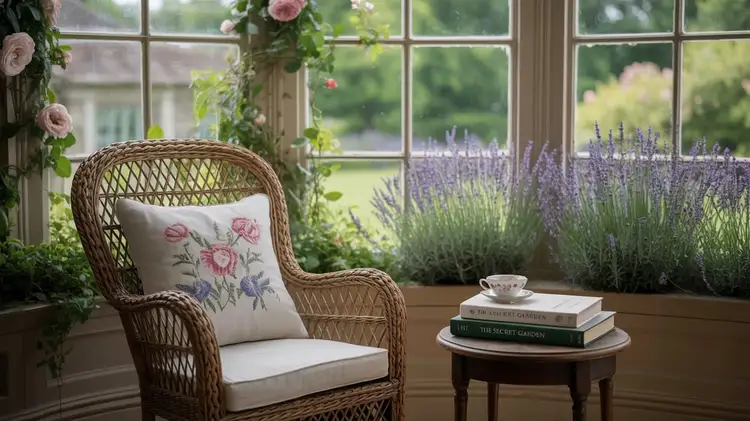
4. Traditional Garden Retreat
- Classic architecture with detailed woodwork.
- Floral decor and antique furnishings.
- A warm, welcoming atmosphere.
5. Materials for Garden Room Construction
The selection of materials determines how long a structure will last, what it looks like and what maintenance needs will be.
1. Wood
- Natural appearance and excellent insulation.
- Requires treatment to prevent rot.
2. Glass
- Enhances natural lighting.
- Double-glazed options improve insulation.
3. Metal
- Durable and modern in design.
- Resistant to weather conditions.
4. Composite Materials
- Low maintenance and long-lasting.
- Available in various finishes.
6. Insulation and Weatherproofing
A building needs appropriate insulation to achieve comfort throughout the entire year.
1. Roof Insulation
Insulation technology prevents winter heat exfiltration and summer overheating.
2. Wall and Floor Insulation
Helps maintain temperature stability.
3. Weatherproofing Materials
- Waterproof coatings prevent moisture damage.
- Sealed windows reduce air leaks.
7. Interior Design and Decor
When designing a garden room space one should base its interior decor on both the functional use and individual aesthetic preferences.
1. Furniture Selection
- Minimalist: Simple, functional pieces.
- Luxury: Plush seating and elegant decor.
2. Lighting Solutions
- Soft ambient lighting for relaxation.
- Bright task lighting for workspaces.
3. Flooring Options
- Wooden floors for warmth.
- Tiles together with laminates function best for low-maintenance requirements.
8. Smart Technology in Garden Rooms
Technology enhances convenience and efficiency.
1. Smart Lighting
- Adjustable brightness and color options.
2. Climate Control
- Automated heating and cooling systems.
3. Security Features
- Motion sensors and smart locks.
9. Landscaping Around the Garden Room
Every environmental surrounding contributes to achieving overall aesthetics of a design.
1. Pathways and Access
A combination of stone or wooden pathways creates better access for persons with mobility needs.
2. Greenery and Plant Selection
- Tall plants for privacy.
- Flower beds for aesthetic appeal.
3. Outdoor Seating and Decor
Outdoor relaxation gets two options: sitting benches and lounge chairs.
10. Maintaining a Garden Room
Service routines ensure that a garden room maintains its peak performance state.
1. Cleaning and Upkeep
- Regular dusting and mopping.
- Review both leakages and structural elements of the garden room system for potential issues.
2. Seasonal Adjustments
- Adding heaters in winter.
- Installing ventilation fans in summer.
3. Pest Control
The prevention of pest intrusions requires both appropriate sealing of openings and natural pest prevention methods.
FAQs
Modular garages built as detached buildings exceeding specified dimensions or encroaching specific development sites need planning permission from the local district authority?
Builders can construct most garden rooms without requiring planning permission while the requirements depend on their dimensions and placement in the property.
Garden rooms normally cost between $5000 and $30000 on average?
The cost of a garden room depends on its dimensions and features and ranges between $5,000 and $30,000.
The availability of year-round usage for garden rooms depends on various factors?
Both insulation and heating systems enable year-round use of garden rooms.
Constructing a garden room usually spans between two weeks to six weeks during construction.
The construction period of an average garden room spans from 2 weeks to 6 weeks.
Are garden rooms environmentally friendly?
Garden rooms achieve sustainability through the application of reusable materials and energy-saving design elements.
Which materials would provide extended life to a garden room structure?
Durability together with insulation properties come from the combination of wood and glass and composite materials.
Conclusion
The addition of a garden room brings attractive functionality to enhance any outdoor environment. Careful planning leads to the achievement of a perfect blend between comfortable design in any space that functions as a workspace or relaxation area or entertainment center. The selection of appropriate materials together with design elements and appropriate features enables you to construct an area which elevates your way of life and simultaneously increases your home’s long-term market value.