Nursing Home Interior Design: Comfortable & Caring Spaces
Published: 21 Sep 2025
Introduction
Creating a nursing home interior design that fosters comfort as well as a sense of care is essential for the staff and residents. With an increase in demand for elderly care homes, skillful design of the interiors goes a long way in improving the quality of life of the residents. The right design also enhances emotional wellness, promotes independence and creates a homelike setting.
This article discusses spatial planning for nursing homes with emphasis on elderly comfort and care. We will examine such design aspects as furniture, lighting, coloring and schemes, accessibility, among others. Your nurturing and functional spaces for the caregivers and receivers will also be deeply appreciated.
Why is Interior Design Important in Nursing Homes?
In nursing homes, interior design goes beyond aesthetics to focus on enhancing the elderly’s emotional, physical and mental well-being. Caring spaces can foster a sense of dignity and belonging while enhancing safety, thereby facilitating the overall well-being of the residents. Effective interiors can improve nursing home resident outcomes in the following ways:
1. Enhanced Mood and Mental Health
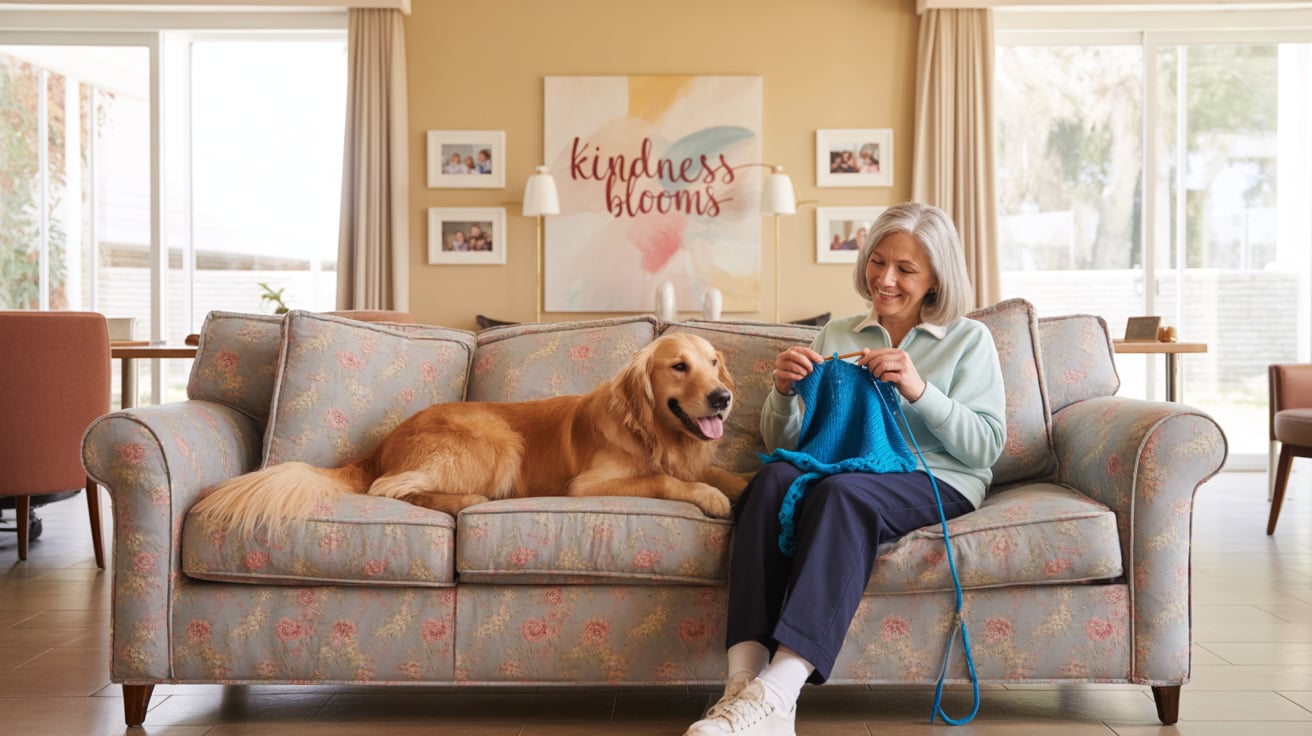
The overall environment has a profound impact on mood and anxiety levels. Depression can also be mitigated with the right stimuli. A homely atmosphere can be cultivated through comfortable seating, natural lighting and personal touches, which is essential for residents who are stressed or isolated.
2. Enhanced Mobility and Independence
Nursing home interiors have to prioritize easy access. Obstacles such as narrow doorways and non-slip flooring can make movement for residents much more difficult. Independence can be fostered through appropriate design features such as grab bars, wheelchair-accessible areas and raised furniture that encourage mobility.
3. Enhanced Comfort and Safety
Incorporating ergonomic furniture along with adjustable beds, non-slip surfaces and proper lighting enhances gravimetric nursing home safety as well as comfort. The thoughtful use of space improves the interior—in accident prevention, reduction in falls and in resident comfort.
Key Elements of Nursing Home Interior Design
While designing a nursing home, several key elements must be looked into in order to guarantee the space is relaxing, functional, as well as safe. Consideration must furniture, lighting and colors as well as the layout. Here is a brief overview of some of the important elements:
1. Furniture Selection
The furniture utilized in nursing homes needs to be easy to clean, maintain through proper sanitization, repair, as well as comfortable. Some of the most crucial aspects outline below:
Furniture Ergonomics:
elderly residents need reclining chairs, adjustable beds and armless seats alongside tables for mobility. Protective seating reduces healthcare burden and enhances resident comfort.
Durable Materials:
nursing home furniture sustain wear from daily use. Ensuring supplemental upkeep increases longevity from exposure to harsh conditions such as family electronics and leather or vinyl water resistant upholstery.
Furnishing the Spaces:
small belongings such as personal objects or family photos assist in reinforcing independence.
2. Lighting Design
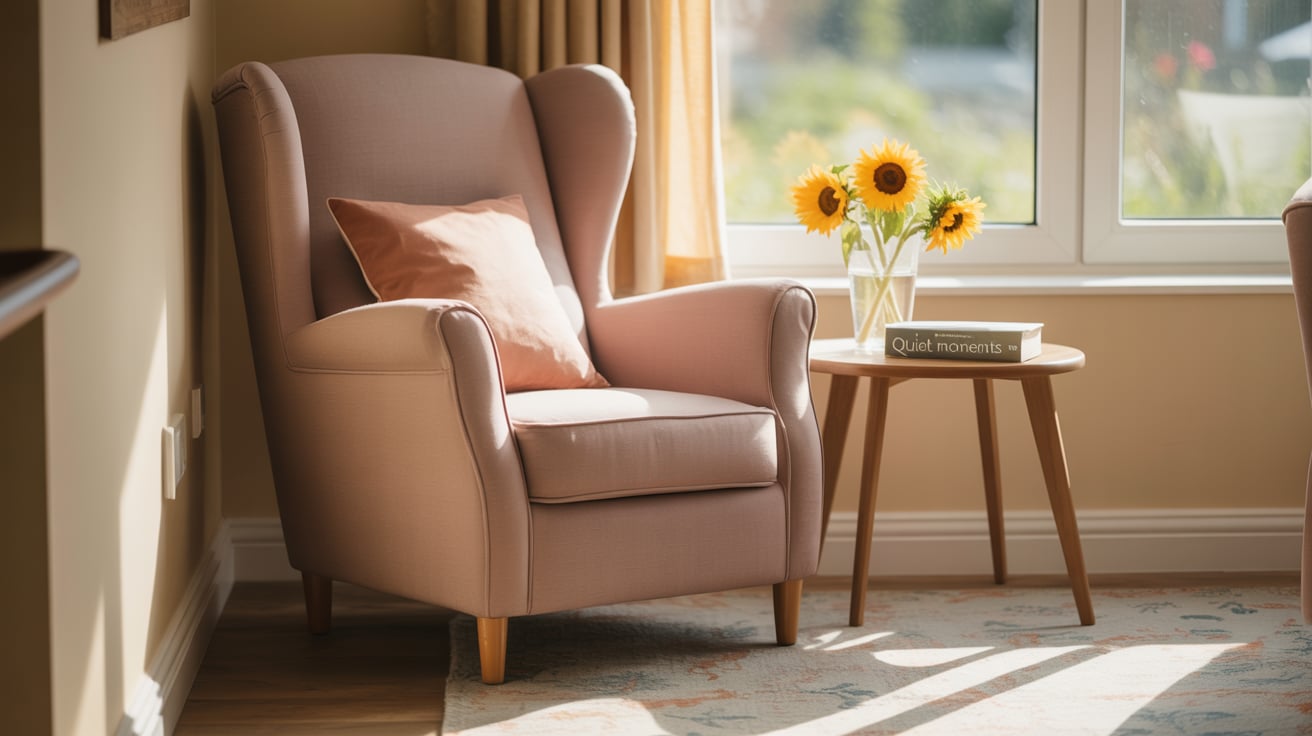
A well-designed lighting system is fundamental in nursing home design to enhance visibility,reduce the risk of accidents, while also ensuring the environment is welcoming and friendly to users. Major considerations in lighting design comprise:
Natural Light:
Windows and other natural light sources enhance mood, mitigate the feeling of being confined and especially improve the circadian rhythms of the elderly. This is crucial for residents who tend to spend a significant portion of their time indoors.
Ambient and Task Lighting:
Furthermore, ambient lighting needs to be adequate to illuminate the space, sosoft without glare and sharp enough to aid reading, dining or personal care.
Night Lighting:
Falls can be prevented with low-level lighting placed in rooms and corridors during the night. For navigating during the night, motion sensor lights can also be helpful.
3. Color Schemes
The psychological impact of colors is an essential factor for the mood and overall well-being of an individual. Similarly, the color scheme of a nursing home is aimed to evoke warmth, calmness and comfort. The following should be taken into account:
Soothing Colors:
The use of soft pastel colors, light blue and green, along with beige creates a serene and peaceful environment that promotes relaxation.
Accent Colors:
While bold accent colors can be used to add character to common areas or rooms, their usage needs to be controlled to avoid overwhelming the space.
Color Contrast:
Distinctive differentiation between surfaces, like dark furnishings set against light-colored walls, enhances visibility and aids in spatial orientation.
4. Flooring
Floors are fundamental to the aesthetic appeal and safety profile of a care home. They must be:
Non-Slip:
Slip resistant surfaces are imperative in any facility that caters to the elderly for fall prevention. Flooring made of vinyl, rubber or cork is preferable during the elderly care.
Soft Surfaces:
Fabrics like carpet and rugs can be helpful in mitigating hard impacts in certain areas, as long as they are also anchored to avoid trip risks.
Easy to Clean:
The durability and cleanliness of surfaces is vital. Choose materials that are easy to clean rather than those that require high maintenance.
Designing Comfortable Living Solutions In Nursing Homes
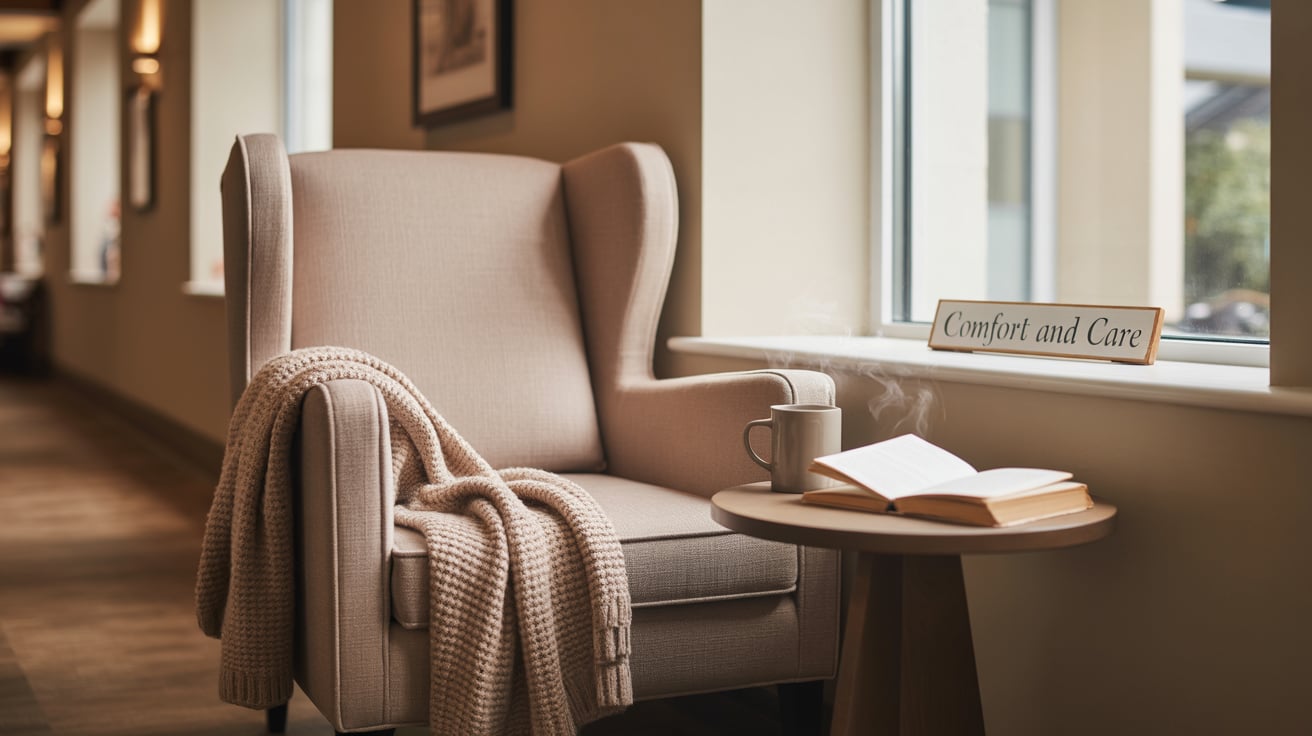
Nursing home interiors demand a strong focus on comfort as part of the design. Creating the inviting areas requires precision with numerous minute details. Here are some design tips to reach these aims:
1. Personalization of Rooms
While common places are intended for sharing, residents’ rooms must be customized so that they can truly enjoy the space as their own aiding comfort and security. Focus on:
Adjustable Furniture:
Furnishing beds and recliners that can be customized to an individual’s needs provides a higher level of personalized comfort.
Separate Zones:
In smaller rooms, use partitions or specific layouts of furniture to designate areas for private activities, sitting and sleeping.
2. Community Social Spaces
Social engagement is important in maintaining well-being and residents should have comfortable sociable spaces where group activities can be held. Suggestions for social areas include:
Common Lounges:
The addition of lounge areas with comfortable and accessible seating enhances opportunities for socialization, relaxation and entertainment. Engagement can also be facilitated with the provision of televisions, books or board games.
Outdoor Spaces:
Patios and gardens, if possible, should provide areas for residents to engage with nature. Comfort through well-furnished seating and shade greatly enhances outdoor experiences.
Activity Rooms:
Design spaces dedicated to hobbies that include arts and crafts, gardening or music therapy.
3. Safety Features
The safety of residents is always a top priority. Key safety features include:
Handrails and Grab Bars:
The presence of handrails along hallways and grab bars in bathrooms allows independent movement with a lower risk of falling.
Wide Doorways and Hallways:
Adapted to ensure safe independent navigation, the doorways and hallways need to be of sufficient width to accommodate wheelchairs or walkers.
Emergency Call Systems:
The emergency call buttons need to be appropriately situated throughout the entire building, especially the bedrooms and bathrooms to permit the residents to be attended to immediately when the need arises.
Modern Technologies in Nursing Home Design
Residents’ experiences can be enhanced through the integration of modern technologies into the interior design of the nursing homes, making their lives considerably easier. Such technology integrations include:
1. Smart Home Features
Smart home devices can assist elderly residents in performing basic tasks around the home, thus making the living conditions easier for the residents. For instance:
- Automated temperature controls: smart thermostats.
- Lighting systems and devices that can be used hands-free for persons with mobility limitations.
- Door automation that is activated either through a button or motion sensors.
2. Health Monitoring Systems
Placing nursing homes health monitoring systems allows for the real time assessment of important biological and physiological processes of elderly patients. Such important processes like vital signs, falls during movement and nursing care requirement will be addressed without unnecessary delays.
3. Entertainment and Communication Technology
Enabling loved ones to make video calls or use tablets to chat with residents is important for their emotional and mental wellbeing. Also, music players and streaming services can now be used to entertain residents easily.
How to Choose The Right Nursing Home Interior Design For Your Facility
Your facility’s nursing home interior design requires careful consideration, making choosing the right one an important task. Below are some key design decision factors:
1. Resident Needs and Preferences
Identifying the nursing home residents’ needs and preferences is decisive for the interior design of the facility. Residents may differ in their degree of independence and some may need more specialized support. Space customization according to the residents’ preferences fosters comfort.
2. Compliance With Regulations
Remember to incorporate any local governing nursing home regulations within the design of your facility. Comply with zoning, safety, accessibility and fire regulations for the building.
3. Budgeting and Sustainability
Developing a functional nursing home involves zoning as well as budget planning. Soft furnishings should be constructed from low-maintenance materials which are readily available and of a high standard. Further, for a more sustainable nursing home environment, consider the use of eco-friendly construction materials such as energy-efficient lighting, solar panels and water-conserving fixtures.
FAQs
The key features include ergonomic furniture, accessible spaces, personalized rooms and natural lighting. The foremost concern is comfort paired with safety.
Rooms should be personalized with family photographs and treasured belongings, as well as soft color schemes. Comfortable furniture, socializing arenas and interaction promote friendliness.
In order for residents to feel safe, grab bars, handrails, non-slip flooring and emergency call systems should all be integrated.
The comfort, accessibility and connection of residents can be improved with the use of smart technologies such as voice controlled devices, health monitoring systems and video communication setups.
Illumination is essential for the provision of a welcoming, safe and warm environment. The inclusion of sunlight, task lights and night lights help fulfill aesthetic and functional purposes.